“Sometimes, meaningful change does not begin with one defining moment. It begins by understanding the patterns behind our behaviour and recognising where change is possible.”
My name is Jennifer Seesing. I am a mother, teacher, advisor and writer, with a Master’s degree in Applied Psychology. Throughout my work in education, I have become increasingly interested in one central question: “What shapes the way people think, feel and behave, and how can we intervene before problems escalate?”
My background in education has given me years of experience working directly with young people. During my Master’s degree, I explored this further through research into student resilience, financial barriers affecting students, behavioural change and emotional well-being. For my Master’s thesis, I focused specifically on how professionals can respond more effectively to physically aggressive and escalating behaviour among students.
I became increasingly interested not only in what we see on the outside anger, withdrawal, challenging behaviour, insecurity or conflict but in what lies underneath it. That is now at the heart of my work.
Through psychology, education and research, I explore behaviour, resilience, emotional regulation and the prevention of escalation. I want to translate psychological knowledge into practical approaches that can genuinely help people as well as the adults and professionals around them.
My own experiences have also taught me the importance of recognising patterns, setting boundaries, taking responsibility and understanding that meaningful change often happens through many small choices rather than one dramatic transformation.
Today, that same drive is developing into a broader mission:
“to better understand what young people need before behaviour becomes a problem and to turn that understanding into prevention, resilience and lasting change.“
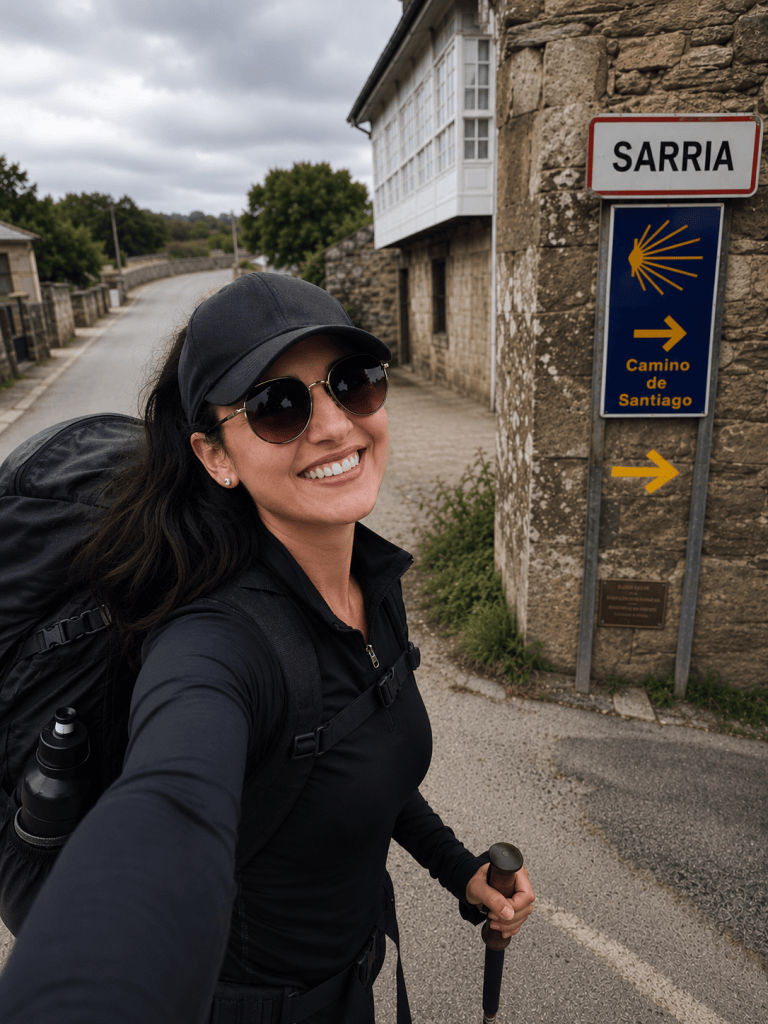
In 2026, I walked the final 100 kilometres of the Camino Francés to Santiago de Compostela. I dedicated my walk to raising awareness about women’s safety and used it to raise funds for Fier. But along the way, I realised that the Camino was doing something else for me too. Walking those 100 kilometres gave me the space to look back at everything that had come before, but even more importantly, it gave me the space to look ahead.
The silence, the people I met, the exhaustion, the unexpected events, and sometimes the smallest of moments kept bringing me back to the same question: “How do I want to move forward from here?”
Now, it feels as though a new chapter is beginning. Instead of constantly thinking about who I should have been, I want to discover who I can still become.
I want to write. Create. Keep learning. And connect psychology, research, and real-life experience to better understand young people and the world around them.
About youth behaviour and what lies beneath it.
About resilience and emotional regulation.
About relationships, boundaries, and the influence of our environment.
About challenging behaviour, conflict, and preventing escalation.
About the role of parents, education, and professionals in a young person’s development.
And above all, about how understanding behaviour can help us intervene earlier, build resilience, and create lasting change.
Sometimes I write from my knowledge of psychology. Sometimes from my experiences in education. Sometimes from my own life. And sometimes, a story simply begins with something small that makes me stop and think on an ordinary day.
What fascinates me is why we do what we do, how our experiences shape us, and, above all, how much influence we can have over what happens next.
Because perhaps that is the most important lesson I have learned:
“We cannot always change what has happened or what someone has experienced. But we can change what happens next.
By understanding behaviour, recognising patterns and choosing to act before they escalate.
Because meaningful change begins with a single action.”
With love,
Jennifer