The end of a relationship does not only mean saying goodbye to a person. Sometimes, almost everything changes at once: your daily routine, vision of the future, financial situation, social connections, and confidence in yourself.

Especially after a long-term or unhealthy relationship, you may feel as though you need to rediscover who you are and what you need.
Maslow’s hierarchy of needs can help make this recovery process easier to understand. It consists of several layers of human needs. The foundation includes basic needs such as rest and safety. Once these needs are met, more space becomes available for connection, self-confidence, and personal growth.
However, recovery does not follow a fixed or straight path. One day, you may feel strong and ready to move forward, while the next day you may feel sad or uncertain. That does not mean you are back where you started. You can also work on several layers at the same time.
Stage 1: Return to the Basics
The lowest level of Maslow’s hierarchy concerns basic physical needs, such as sleep, food, movement, and sufficient rest.
After a relationship ends, your body may remain in a heightened state of tension for a long time. You may sleep poorly, forget to eat, or feel constantly exhausted. Rebuilding your life therefore does not have to begin with ambitious plans for the future. It begins with taking good care of yourself.
- Go to bed and get up at consistent times.
- Eat regularly and sufficiently.
- Spend some time outside every day.
- Schedule moments of rest throughout your day.
- Avoid relying on alcohol, caffeine, or other substances to suppress your feelings.
- Ask for help when everyday tasks temporarily feel overwhelming.
Stage 2: Restore Safety and Stability
The second level concerns safety. This may include physical safety, but also emotional, financial, and practical security.
Many things may need to be arranged after a relationship ends. These can include housing, finances, arrangements involving children, possessions, and contact with your former partner. If the relationship was unhealthy or controlling, it may also be necessary to establish clear boundaries.
Feeling safe also means not having to live in constant fear of a message, accusation, argument, or unexpected confrontation.
- Create an overview of your income, expenses, and regular bills.
- Keep important documents and passwords secure.
- Establish clear arrangements for any necessary contact.
- Communicate only in writing if conversations repeatedly escalate.
- Temporarily turn off notifications to create more peace.
- Tell someone you trust what is happening.
- Seek professional support if you feel threatened or unsafe.
Stage 3: Reconnect with Others
The third level of Maslow’s hierarchy concerns love, connection, and the feeling that you belong.
You may feel lonely after a relationship ends. Perhaps certain relationships have faded, or you gradually withdrew from others during the relationship. You may also feel ashamed or afraid that other people will not understand you.
Starting over does not mean that you need to enter a new relationship immediately. First, you may need to reconnect with people around whom you can truly be yourself.
- Contact a friend or family member.
- Speak honestly about how you are feeling.
- Go for a walk, share a meal, or have coffee with someone.
- Join a sports club, course, or other activity.
- Spend time with people around whom you do not have to play a role.
- Learn to accept help and support.
- Spend time alone without rejecting yourself.
Stage 4: Rebuild Confidence and Self-Worth
The fourth level concerns appreciation, self-respect, and confidence in your own abilities.
An unhealthy relationship can damage your self-confidence. Perhaps you were repeatedly told that you were too sensitive, difficult, or selfish. You may have begun to doubt your memories, decisions, and feelings.
Rebuilding your self-worth begins with small choices. Every time you listen to yourself, set a boundary, or manage something independently, you show yourself that you can trust your own judgement.
- Set one achievable goal each day.
- Write down what you have done well.
- Make decisions without constantly seeking approval.
- Practise saying “no” in a kind but clear way.
- Rediscover old interests or talents.
- Examine the negative beliefs you hold about yourself.
- Seek help from a therapist or another professional if you feel stuck.
Stage 5: Rediscover Who You Are
The highest level of Maslow’s hierarchy concerns personal development and fulfilling your potential.
As more peace and stability return, space may open up for new questions:
Who am I outside this relationship?
What matters to me?
What gives me energy?
What do I want my future to look like?
You do not have to become the person you were before the relationship. You may also discover who you have become through everything you have experienced.
- Begin a course, training programme, or creative project.
- Travel or explore a new environment.
- Set new personal and professional goals.
- Volunteer or find another way to help others.
- Return to a dream that faded into the background during the relationship.
- Decide consciously what you will and will not accept in future relationships.
- Build a life that does not depend on another person’s approval.
How Do You Know You Are Moving Forward?
Successfully starting over does not mean that you will never feel sad or think about the other person again. It also does not mean that you must solve everything quickly and independently.
Progress may look like this:
- You are sleeping a little better.
- You feel less anxious when your phone rings.
- You are making independent decisions again.
- You feel less need to explain yourself.
- You notice sooner when someone crosses your boundaries.
- You experience moments of enjoyment again.
- Your future no longer feels entirely empty or threatening.
- You are slowly beginning to recognise yourself again.
Some days will continue to feel more difficult than others. Recovery is not a competition, and it does not have a fixed deadline. Every small step that helps you build greater safety, peace, and confidence is part of your new beginning.
Recovery Checklist
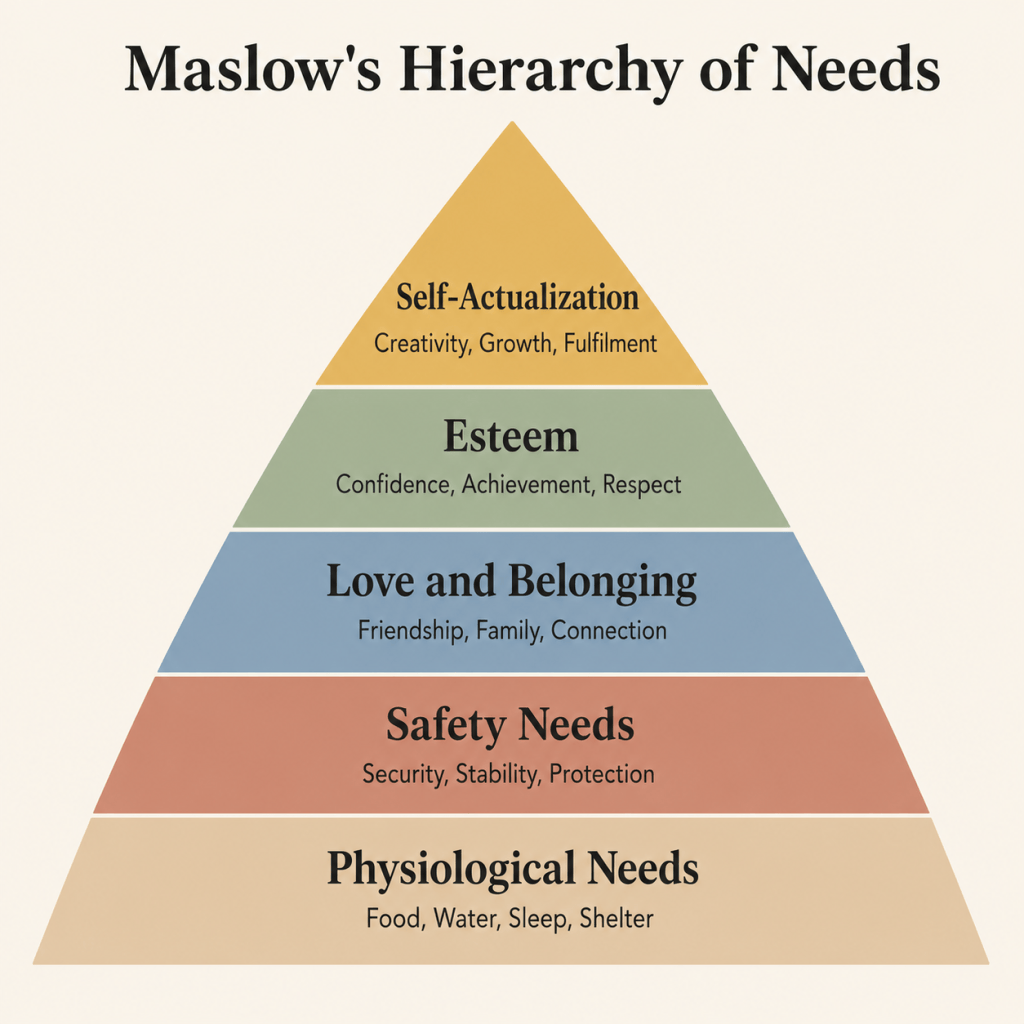
(Based on Maslow’s Hierarchy of Needs)
You do not need to tick every box before moving on to the next stage.
Use these checklists to see which parts of your life may currently need more attention.
Stage 1: My Basic Needs
☐ I eat regularly and sufficiently.
☐ I drink enough water.
☐ I try to maintain a consistent sleep routine.
☐ I exercise or go for walks regularly.
☐ I schedule moments when I do not have to do anything.
☐ I listen to the signals my body gives me.
☐ I ask for help when I cannot manage daily life on my own.
Stage 2: My Safety and Stability
☐ I have a safe place to live.
☐ I understand my financial situation.
☐ My personal documents and accounts are secure.
☐ I have set clear boundaries regarding contact with my former partner.
☐ I know whom I can call if I feel unsafe.
☐ I save important messages or agreements when necessary.
☐ I seek professional help if my safety or my children’s safety is at risk.
Stage 3: My Connections
☐ I have at least one person with whom I can be honest.
☐ I maintain contact with people who have a positive effect on me.
☐ I ask for support when I need it.
☐ I make time for social activities that give me energy.
☐ I distance myself from people who do not respect my boundaries.
☐ I am learning to recognise the difference between being alone and feeling lonely.
☐ I give myself time before beginning a new relationship.
Stage 4: My Self-Worth
☐ I speak about myself with respect.
☐ I take my feelings seriously.
☐ I practise communicating my boundaries.
☐ I do not have to justify my decisions to everyone.
☐ I acknowledge what I have survived and achieved.
☐ I do not constantly compare my recovery with someone else’s.
☐ I accept that making mistakes does not mean I have failed.
☐ I regularly do something that makes me feel proud of myself.
Stage 5: My New Direction
☐ I have a clearer understanding of what matters to me.
☐ I make space for my interests and dreams.
☐ I set goals that reflect my own values.
☐ I dare to try new things.
☐ I know which boundaries I want to protect in a future relationship.
☐ I am better able to recognise which people and situations give me energy.
☐ I am building a life in which I do not have to lose myself.
“Starting over does not mean you have failed. It means you are choosing to build a life in which you also have an important place.“


Geef een reactie